
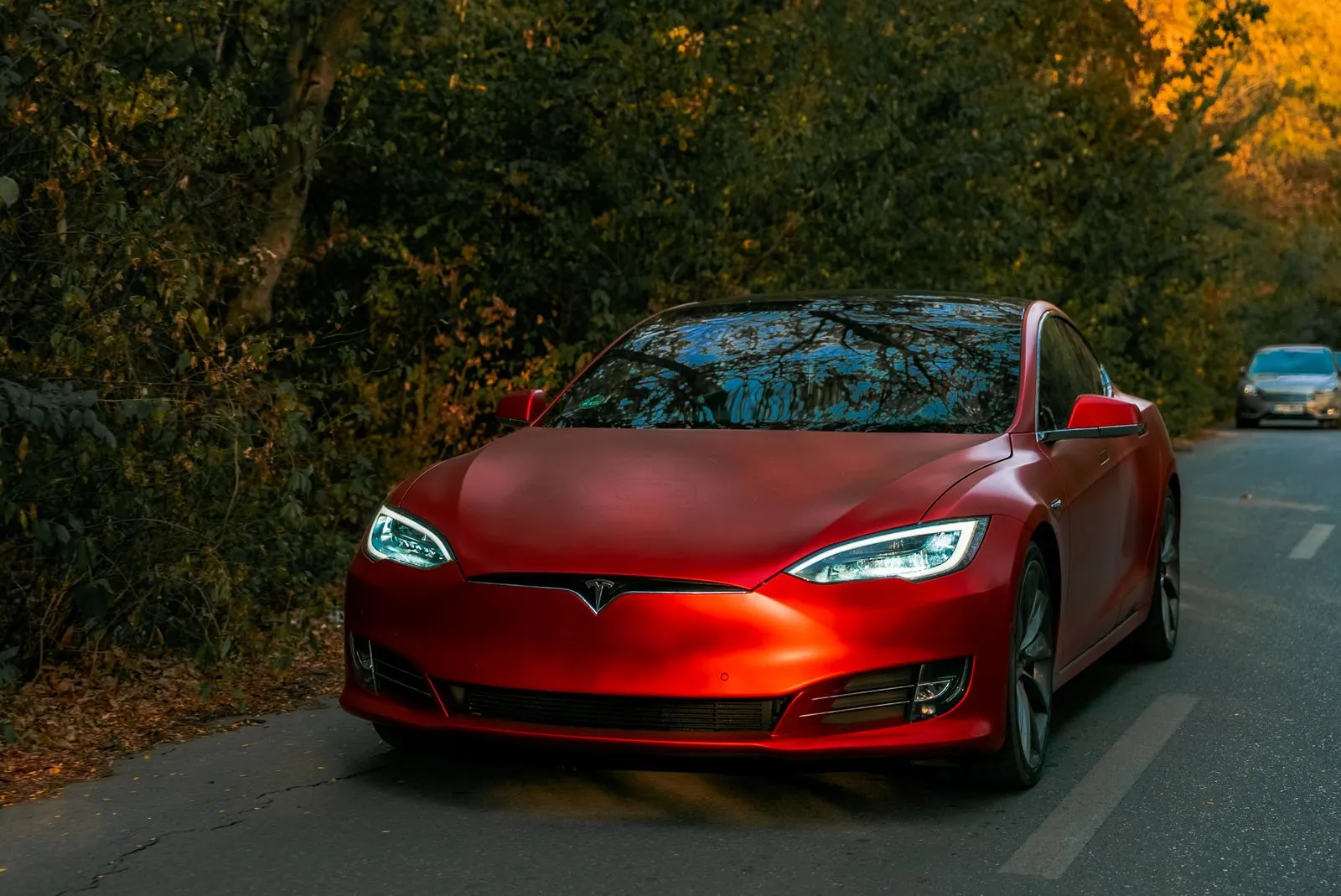
An electric vehicle trip around Colorado Springs can include city streets, steep climbs, changing weather, and stretches between charging options. A little planning helps you arrive with enough range and avoid searching for a charger when the battery is low. Before leaving, check your vehicle’s estimated range, map charging locations along your route, and consider how temperature and elevation may affect energy use. These steps make local errands, scenic drives, and longer day trips easier to manage.
Estimate Range for Your Route
Start with the range shown in your vehicle, then compare it with the distance and elevation changes on your planned route. A climb out of town can use more energy than flat driving, while a downhill stretch may return some energy through regenerative braking. Treat the displayed range as an estimate, not a guarantee, especially if you are unfamiliar with the roads or your vehicle’s efficiency.
Leave a buffer for traffic, detours, and unplanned stops. If your destination is far from a reliable charger, consider charging before you leave Colorado Springs or choosing a route with charging access along the way. Check your battery level again before starting a steep or remote segment, and avoid planning a trip that depends on arriving with almost no charge.
Choose Charging Stops Ahead
Use your vehicle’s navigation system or a charging app to find stations near your destination and along the route. Check the charger’s connector type, charging speed, access hours, and current availability when that information is shown. A station listed on a map may be occupied, out of service, or located somewhere that does not fit your plans.
Pick a primary charging stop and a backup within a reasonable distance. For a longer outing, identify a place where you can charge while eating, shopping, or taking a break. If you plan to rely on a public charger, confirm the payment method or app requirements before leaving. Recheck availability shortly before you arrive, since conditions can change during the day.
Plan for Colorado Weather
Cold weather can reduce driving range because the battery and cabin need energy to stay warm. Hot conditions can also increase energy use when the air conditioning runs. Before a winter drive, precondition the cabin and battery while the vehicle is plugged in if your model supports it. On cold days, allow extra range for heating, slower travel, and possible traffic delays.
Mountain weather can shift quickly, so check the forecast and road conditions before heading out. Snow, rain, wind, or a temperature drop may change travel time and energy use. Pack a charging cable if your destination has a compatible outlet and your vehicle supports charging from it, but do not treat an unverified outlet as your only charging plan. Keep your route flexible when conditions are uncertain.
Build a Flexible Route
Choose roads that match your comfort level and leave room for a practical charging stop. A slightly longer route may be a better choice if it offers dependable chargers, easier driving, or a safer place to pause. Use navigation to review elevation and estimated arrival charge, and compare that estimate with the vehicle’s display as you travel.
Save your destination and backup charging locations before you set off, then avoid handling your phone while driving. If the estimated arrival charge drops faster than expected, slow down where conditions allow, reduce unnecessary climate-control use, and head to the nearest suitable charger. Pikes Peak EV Driving in Colorado Springs can also help local drivers build confidence with EV-specific trip planning.
A reliable EV trip plan combines a realistic range estimate, verified charging stops, weather awareness, and a backup route. Review the plan before departure, then adjust if conditions or battery estimates change. With a little preparation, you can focus on the drive and enjoy your time around Colorado Springs.